
For this 3rd edition of the European Carbon Farming Summit, partners of the BUFFER+ project gathered in Padua. This event provided an opportunity to compare our reflections with those of the European ecosystem of agricultural carbon transition, at a time when regulatory frameworks are becoming clearer.
A European framework in transition: what are the challenges?
At the European Union level, the Carbon Removal and Carbon Farming Framework (CRCF), adopted in April 2024, is now entering its implementation phase. This future framework aims to structure a voluntary carbon credit market through common certification methods, thereby strengthening the credibility of the system for investors.
However, the 2026 edition highlights three structural challenges:
Reviving demand: Faced with a slowing voluntary market, the European Commission’s “Buyer’s Club” project raises both hopes and doubts about its real ability to stimulate demand.
Controlling certification costs: MRV (Measurement, Reporting and Verification) costs must not absorb the carbon revenue, which should primarily finance farm transition. The harmonisation of methodologies (agriculture, forestry, peatlands) and the emergence of AI nevertheless offer promising avenues to optimise monitoring. The creation of a harmonised database for carbon modelling is also expected to help reduce costs.
Valuing nature beyond carbon: Farmers and investors are now also turning towards “co-benefits” (biodiversity, soil health, water quality) as carbon markets slow down. The Nature Credits initiative, launched by DG ENVI in 2025, already raises the question of how it will interact with the CRCF to avoid unproductive competition between the two markets.
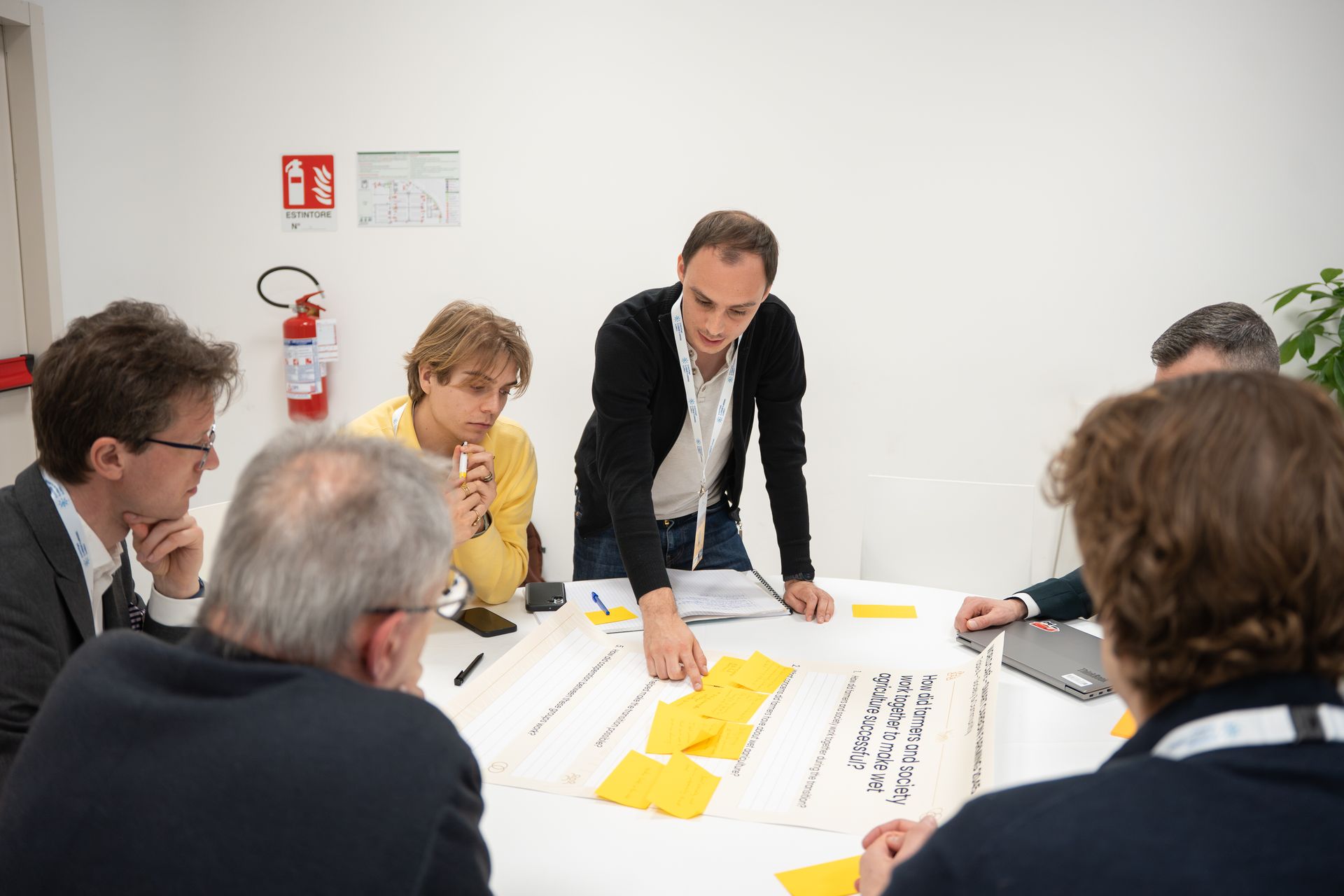
BUFFER+ in action at the Carbon Farming Summit
Project partners led several strategic sessions aimed at turning these challenges into operational opportunities:
Governance and inclusion
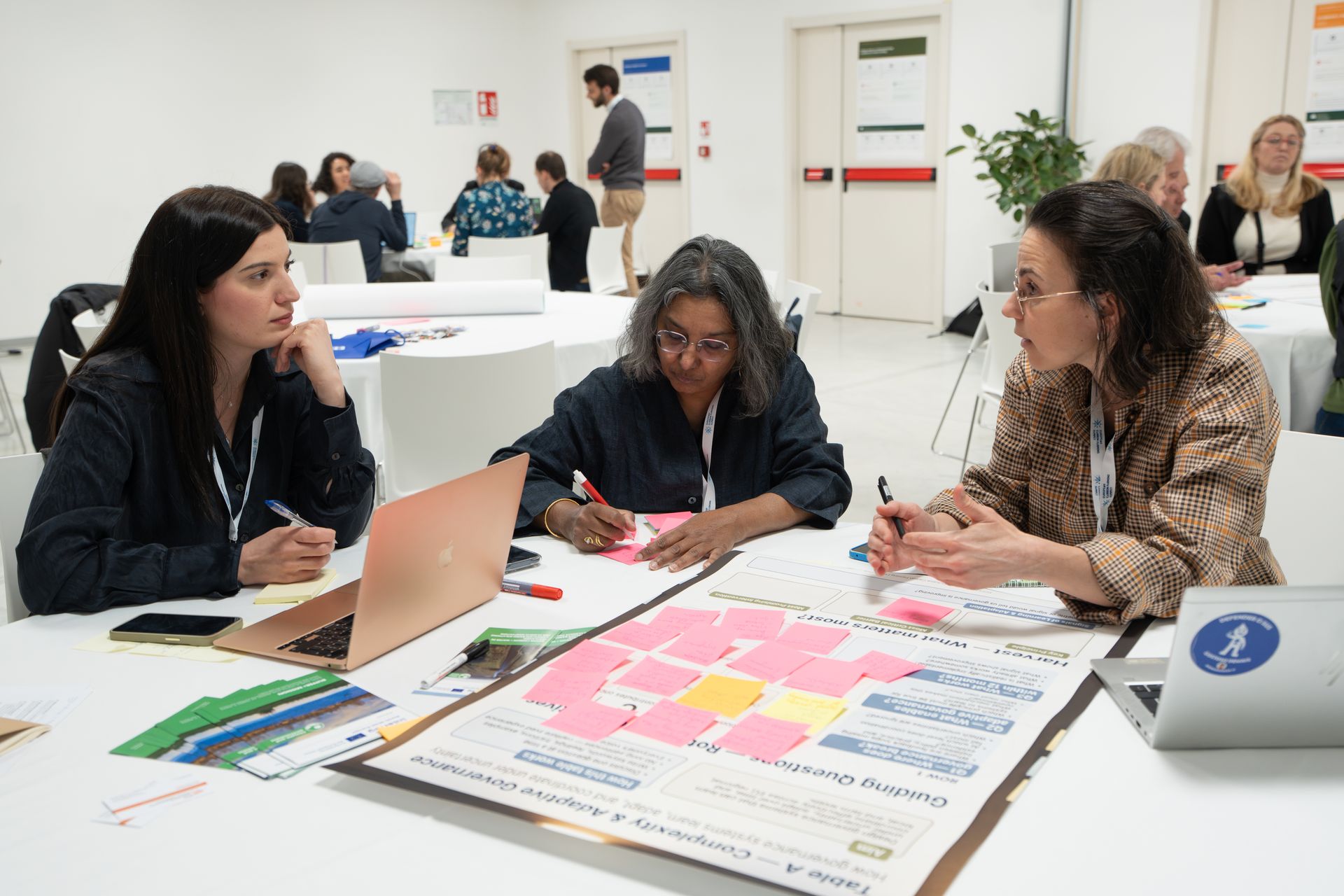
Hanze University co-facilitated a workshop on adaptive governance systems. The conclusion was clear: farmer participation must be institutionalised through Regional Carbon Governance Offices, in order to anchor European policies in territorial realities. These offices would act as one-stop shops to coordinate policies, reduce administrative complexity, and tailor European objectives to local specificities.
Financing and co-benefits
AC3A led a round table on the emergence of nature credits. On this occasion, the Chamber of Agriculture of Pays de la Loire presented its experiment on Payments for Environmental Services (PES) at the BUFFER+ pilot site in the Marais de l’Erdre (session available as a replay on YouTube). In parallel, the Pôle Relais Tourbières took part in the summit with a poster presentation. At the invitation of AC3A and with financial support from BUFFER+, the organisation presented the new Low-Carbon Label for Peatlands, which will shortly enable the emergence of carbon credits generated from restored peatlands in France.
Wetlands and technology
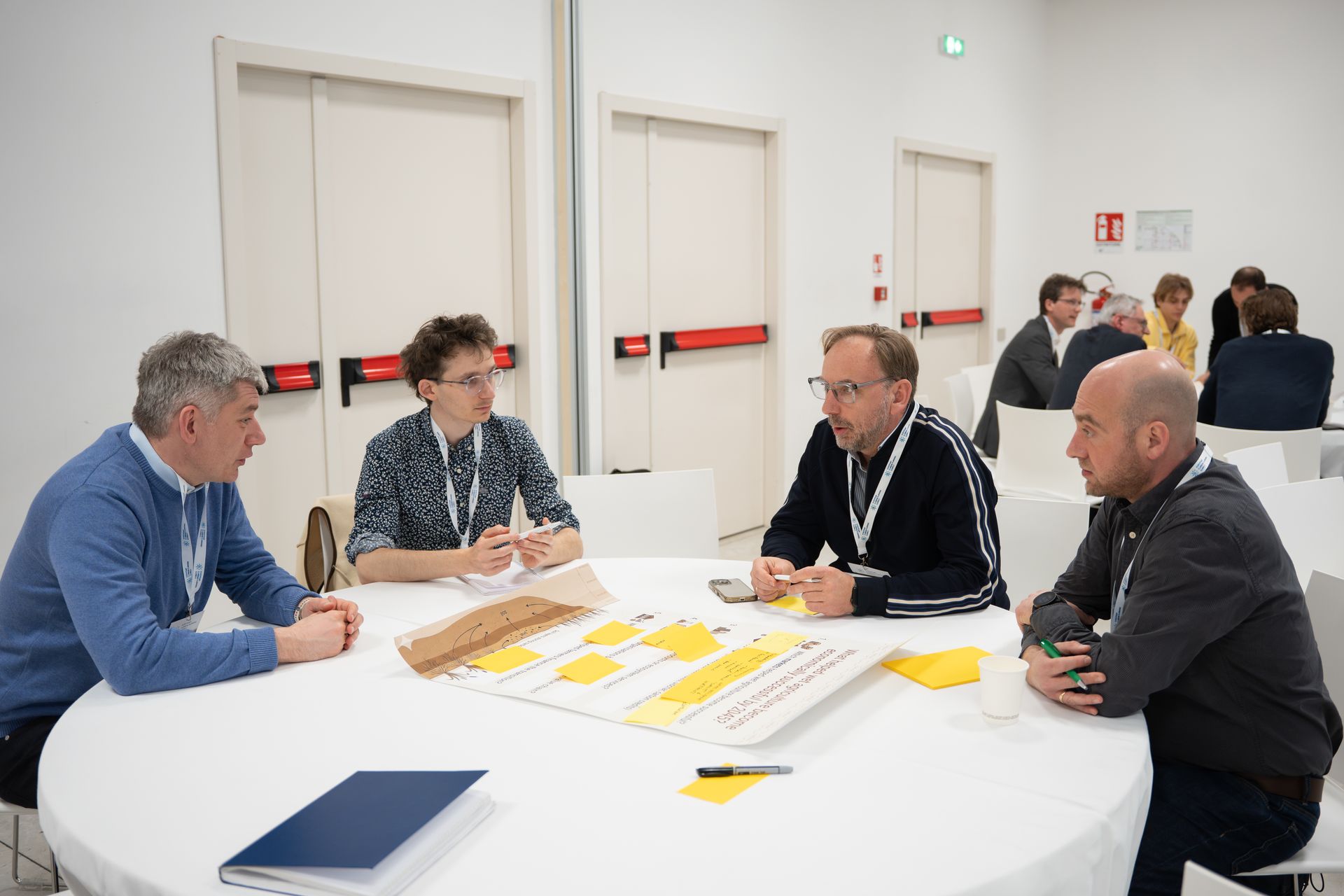
A workshop co-led by AC3A, the University of Greifswald and the Smart Carbon Farming project explored how agriculture compatible with higher water levels could become a cornerstone of the European strategy to combat climate change.
What policy recommendations for peatlands?
To bring about a paradigm shift, the key recommendation is to accelerate knowledge transfer on paludiculture (wetland agriculture).
The creation of regional “hubs” is essential to train a new generation of “Wet Professionals” capable of managing both hydrology and the economic valorisation of these lands. By combining financial risk-sharing mechanisms with the structuring of value chains for bio-based materials, Europe can transform these areas—once sources of emissions—into resilient carbon sinks that are economically viable for local territories.
At the operational level, moving from ambition to action requires a fair sharing of financial risks. The sessions highlighted the need for stable and long-term mechanisms to support value chains upstream, such as advance payments and European guarantee funds. The challenge is to secure farmers against the scale of required investments and the uncertainty of income during the transition period.

Further reading: