
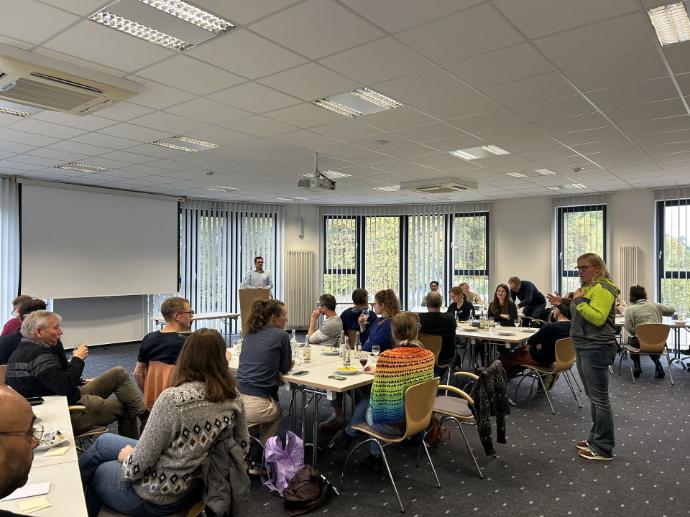
In October 2025, BUFFER+ partners gathered in Vechta, Lower Saxony, for three days of field visits, workshops and peer‑to‑peer learning (read the article here). The region is known for its vast raised bogs: landscapes shaped over thousands of years and now at the heart of climate mitigation efforts. During the meeting, partners also took part in a peer review, sharing insights, challenges and recommendations for peatland restoration in the Vechta region. Below you’ll find a narrative overview of these findings.
The Großer Moor
The Vechta region is home to some of the most characteristic peatlands of the North German lowlands. One of the largest is the Großer Moor, stretching between Damme, Lohne, Vechta and Goldenstedt. These bogs formed under waterlogged, nutrient‑poor conditions, allowing peat to accumulate over millennia .
Historically, much of this landscape was drained for agriculture and peat extraction, transforming natural bogs into grassland and cuttings. Yet remnants of near‑natural peatlands remain, providing crucial ecological functions such as water regulation, biodiversity support and carbon storage .
Today, the region is working to reverse past degradation through rewetting, restoration and innovative wetland‑based land use.
MOOSland
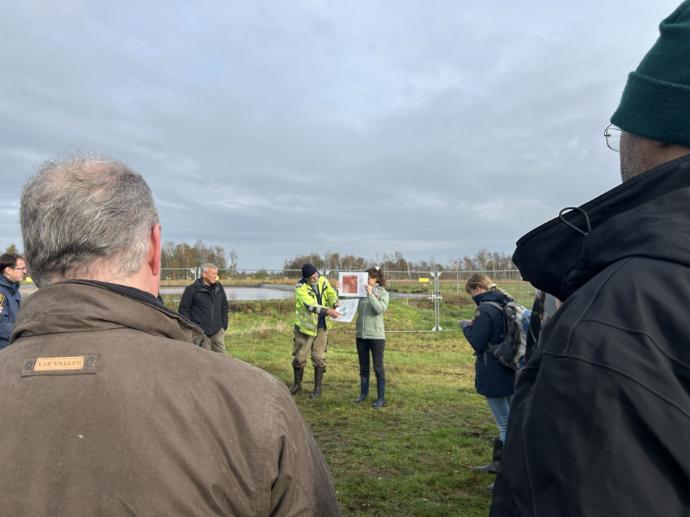
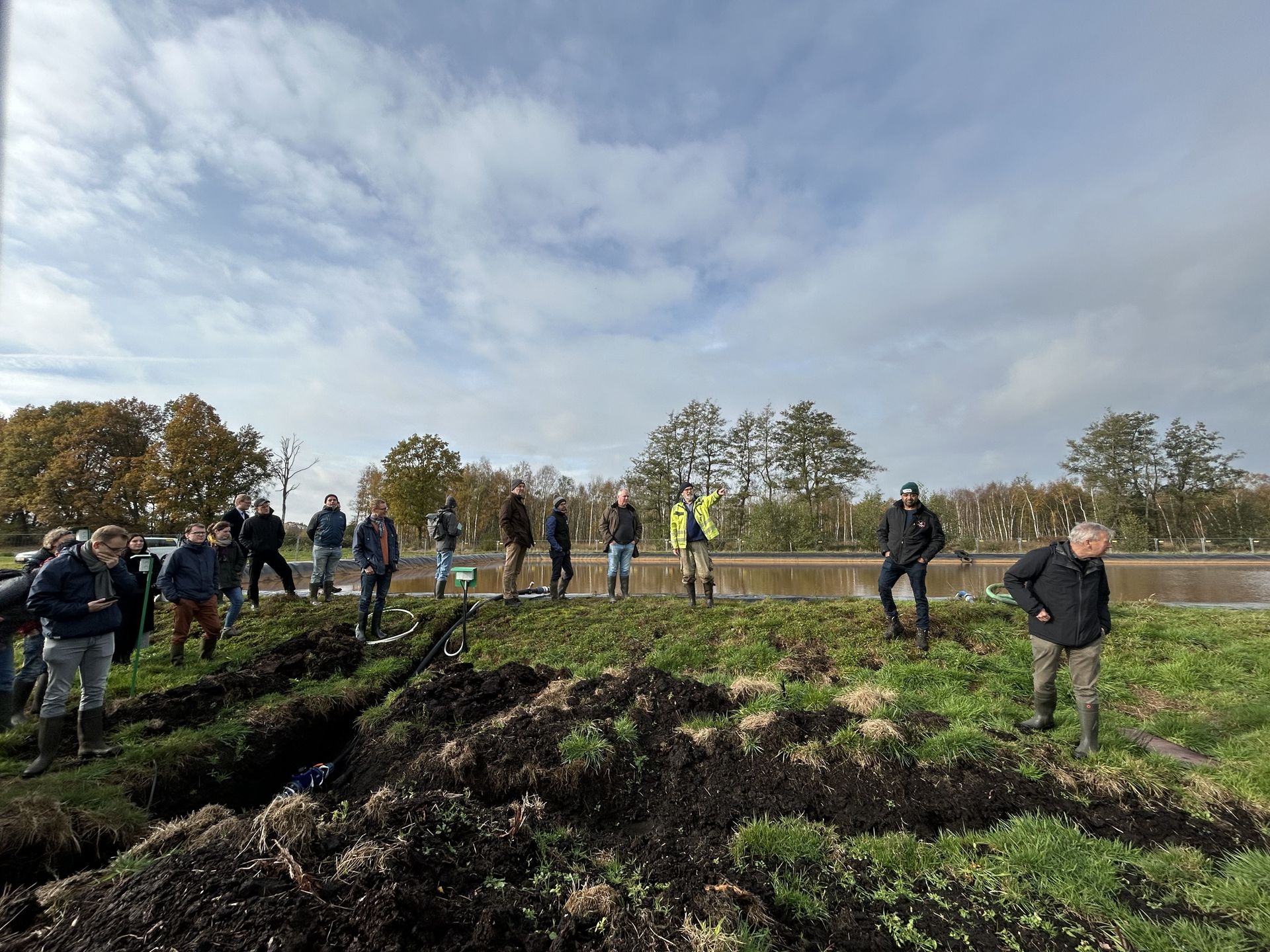
One of the highlights of the partner meeting was a visit to the MOOSland project, a large‑scale initiative to cultivate sphagnum moss as a renewable alternative to horticultural peat. Over ten years, the project aims to turn pilot research into a viable wetland‑compatible agricultural system .
Partners saw firsthand how paludiculture can offer a climate‑friendly economic alternative for farmers on rewetted land: a theme that returned throughout the peer review.
MOORWELTEN & Haus im Moor
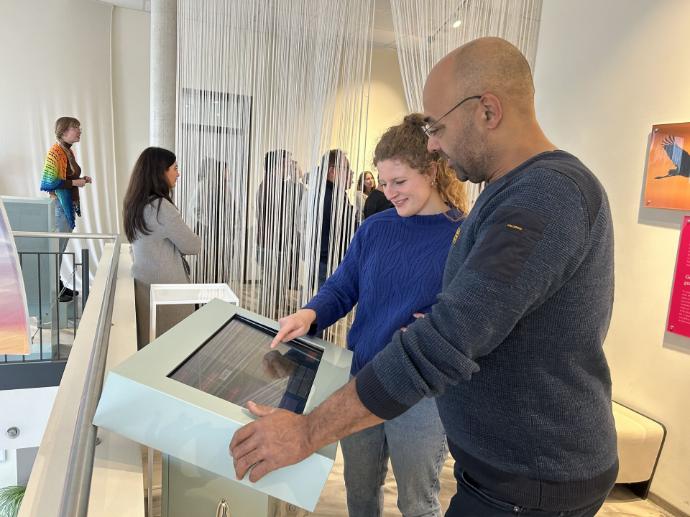
The group also visited the European Moor and Climate Competence Centre in Wagenfeld‑Ströhen, where interactive exhibits explain why peatlands matter for climate protection and biodiversity. From bird quizzes to barefoot trails, the centre brings the moor to life for visitors of all ages .
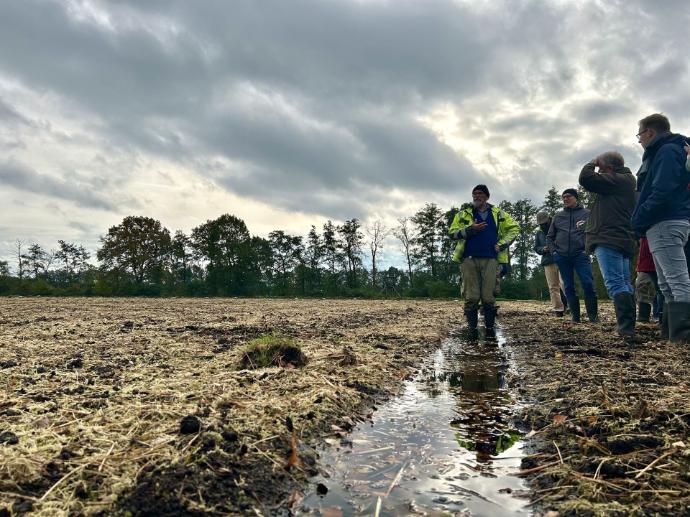
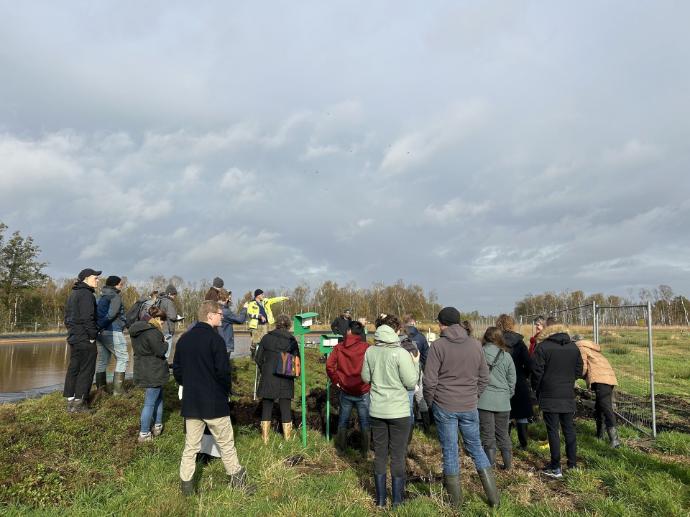
At Haus im Moor, partners explored the Goldenstedt Moor: once heavily drained, now slowly recovering thanks to rewetting efforts since 1984. Cotton grass, sundew and peat mosses are returning, and the bog surface is rising again by about one millimetre per year .
What are the main challenges in this region in relation to peatlands and climate change adaptation and mitigation?
Partners identified several recurring challenges:
- Water management: Maintaining high water levels is difficult due to drainage systems, drought periods and costly infrastructure needs
- Conflicts with agriculture: Rewetting can reduce productivity and requires land‑use changes. Nutrient‑rich soils complicate ecological recovery
- High costs & financial uncertainty: Restoration requires major upfront investment, while long‑term funding is not always secure
- Technical challenges: Machinery damage on wet soils, heterogeneous peat layers and harvesting difficulties slow progress
- Policy barriers: Existing frameworks (e.g., agricultural subsidies, Water Framework Directive) do not always align with restoration goals
- Severe peatland degradation: Drained peatlands emit CO₂, lose biodiversity and suffer land subsidence, making restoration harder
Are there policies in place to tackle these challenges?
Yes, but partners noted gaps and inconsistencies:
- Public funding (national and EU) currently drives most restoration work
- Environmental and climate policies support rewetting, but agricultural frameworks (e.g., CAP) are not yet fully aligned
- Pilot projects like MOOSland help demonstrate wetland‑compatible land use, but long‑term policy certainty is still needed
- Local initiatives (education centres, municipal networks) support awareness and cooperation, but broader integration is required
Who are the main stakeholders?
The region involves a wide network of actors:
Farmers and landowners: essential for land‑use transitions and paludiculture adoption
Municipalities and regional authorities: coordinating restoration, funding and planning
NGOs and foundations: often managing land, leading restoration and providing expertise
Universities and research institutes: conducting monitoring, pilots and innovation
Education centres and local communities: supporting awareness and public engagement
Monitoring organisations: tracking ecological and climate impacts
Some groups are still underrepresented, such as private peat companies, large landowners, and vocational education institutions.
Recommendations for the host region and broader considerations
Based on the peer review, partners suggested:
Strengthen water management strategies, including infrastructure for stable water levels and drought resilience.
Align agricultural policy with peatland restoration, ensuring farmers can transition without financial loss.
Develop sustainable business models, especially for paludiculture and wetland‑based value chains.
Expand monitoring and research, including long‑term CO₂, biodiversity and hydrology data.
Improve stakeholder participation, with clearer governance structures and more inclusive engagement.
Support farmers directly, through incentives, training and trusted local networks.
Explore ecosystem service payments, such as carbon credits, to secure long‑term financing.
Invest in education and public awareness, using centres like MOORWELTEN and Haus im Moor as regional hubs.
Read the full peer review by clicking the pdf below: